
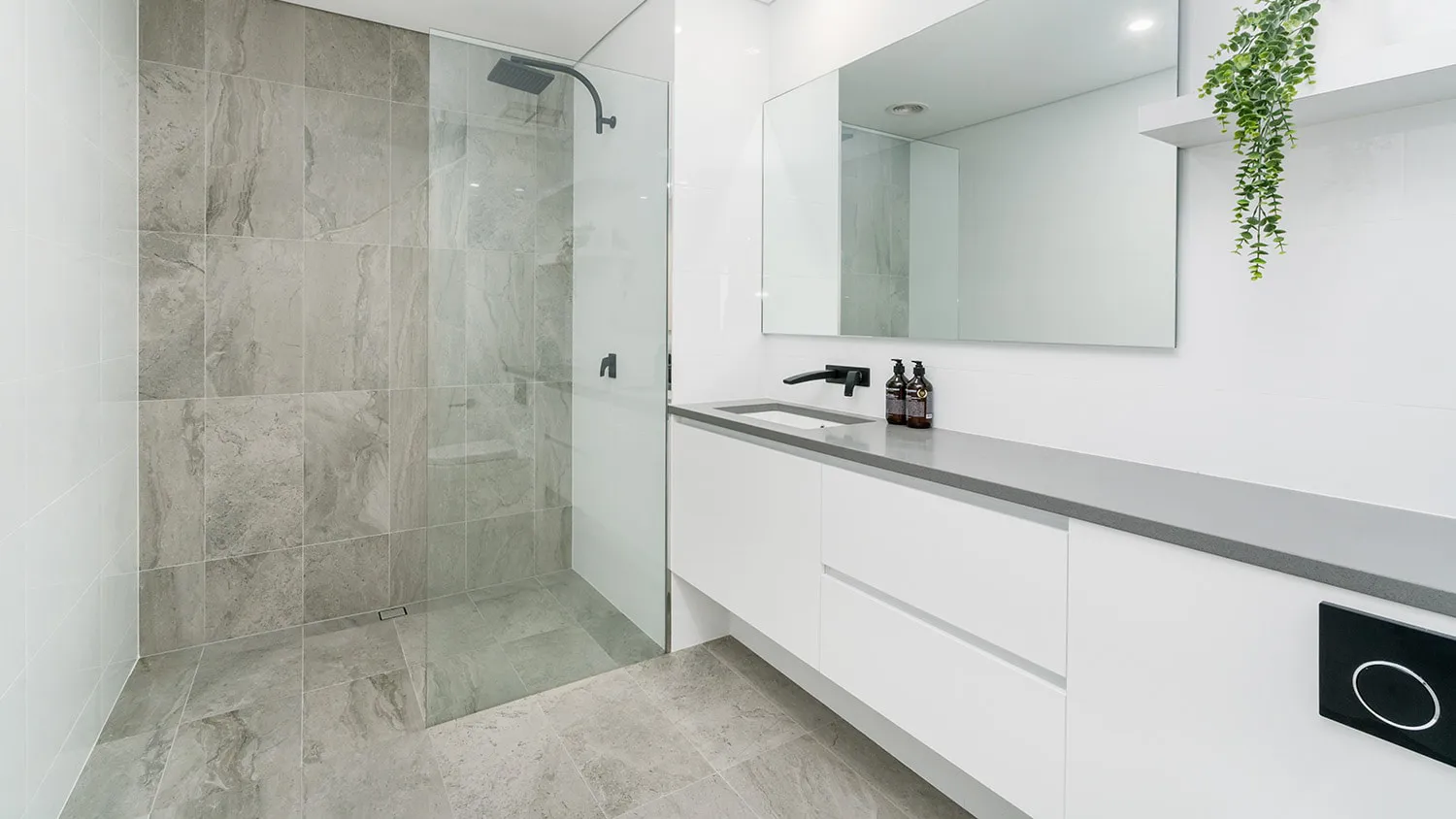
The shower screen decision typically becomes one of the most debated aspects of a bathroom renovation. Frameless screens dominate modern bathroom design, valued for their clean lines and visual lightness, but that popularity alone doesn’t make them the right choice for every project. Understanding how frameless screens perform in real-world conditions helps you make a decision that works for your specific space and needs. So before committing to frameless glass, consider how it will function in your particular bathroom layout, who will use the space, and what trade-offs you’re willing to accept.
How Frameless Screens Change the Visual Space
A frameless shower screen removes the visual barrier that traditional framed screens create, and without thick metal borders or dark frames interrupting sightlines, bathrooms appear larger and more open. This effect matters most in compact bathrooms where every design decision influences how constrained or spacious the room feels.
The clear glass allows light to move through the space unobstructed. Natural light from windows reaches further into the room, and artificial lighting creates fewer shadows. If you’ve invested in high quality tiles, textured feature walls or premium tapware, frameless glass keeps these elements visible rather than competing for attention. The shower becomes part of the overall design rather than a separate compartment that divides the room.
This openness works across different design aesthetics. Contemporary bathrooms with large format tiles and minimalist fixtures benefit from the continuity frameless screens provide, while traditional spaces with detailed tilework or classic fittings gain breathing room when the screen stays visually neutral. The glass essentially disappears, letting your material and fixture selections define the character of the space.
Maintenance and Durability Advantages
Metal frames and bottom tracks on traditional screens trap soap scum, hair, and moisture in channels that require detailed scrubbing. Without these crevices, you eliminate the primary locations where grime accumulates and mould develops. Therefore frameless screens simplify cleaning routines substantially.
Additionally, you won’t deal with corroded frames or deteriorating rubber seals that plague many framed screens over time. The minimal hardware resists moisture damage when properly maintained, and it’s this longevity that makes frameless screens cost-effective over the full lifespan of your renovation, despite higher initial investment.
Cost and Installation Requirements
Frameless screens cost more than semi-frameless or fully framed alternatives, and often significantly so. The thicker glass requires custom cutting to precise measurements and then installation demands accuracy, because even minor misalignment becomes visible and can affect how doors operate. The specialised hardware and labour expertise needed for proper installation add to the overall investment.
Budget conscious renovations may find better value in semi-frameless options that provide a similar aesthetic at lower cost. However, many homeowners consider the premium worthwhile as the visual impact of true frameless glass differs noticeably from alternatives, and the durability advantage means you’re unlikely to face replacement or repair costs that cheaper screens generate over time.
If frameless screens push your budget beyond comfortable limits, consider where else in the renovation you might adjust. Sometimes shifting funds from less visible elements, like the tile selection behind the vanity or inside storage areas—preserves budget for the features that define the room’s overall feel.
Fixed Panel vs Enclosed Configurations
A single fixed glass panel with an open entry creates the most minimalist frameless look, and this configuration reduces material and installation costs compared to hinged door systems. The walk-in feel suits contemporary design preferences and can make smaller bathrooms feel less claustrophobic.
The open entry does allow more water escape than an enclosed design, and this works well when the shower is positioned away from the vanity and door, where any escaped water stays within the wet area. It requires users to be somewhat conscious of spray direction.
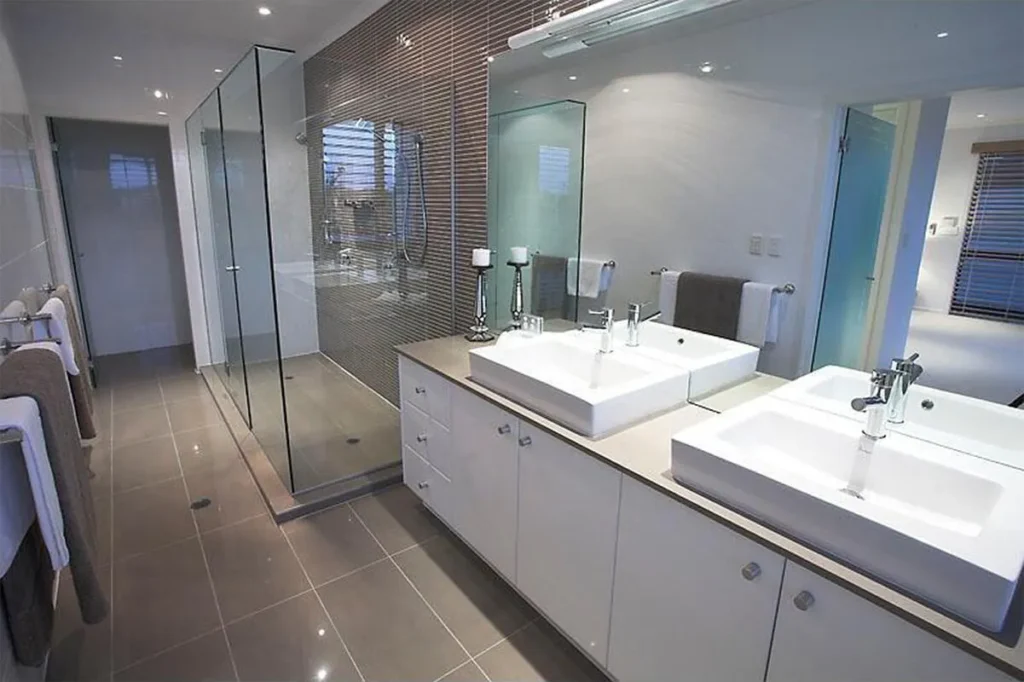
Although fully enclosed frameless showers with hinged doors provide superior water containment while maintaining clean aesthetics. The door creates a physical barrier that manages spray more effectively. For family bathrooms or spaces where water control is a priority, this configuration offers better practical performance.
The room dimensions and door swing clearances determine which configuration is feasible, so careful measurement during the design phase prevents discovering these constraints after you’ve committed to a particular approach.
So Is It Right For You?
Frameless screens work exceptionally well in medium to large bathrooms with good ventilation, where the shower is sensibly positioned relative to other fixtures. We can guide homeowners through these decisions during the design phase of bathroom renovations as we assess your specific layout, discuss how your household uses the bathroom and recommend screen options that balance your aesthetic goals with practical requirements.